Trump administration launches PURSUE platform, releases Cold War-era UAP files with no conclusions
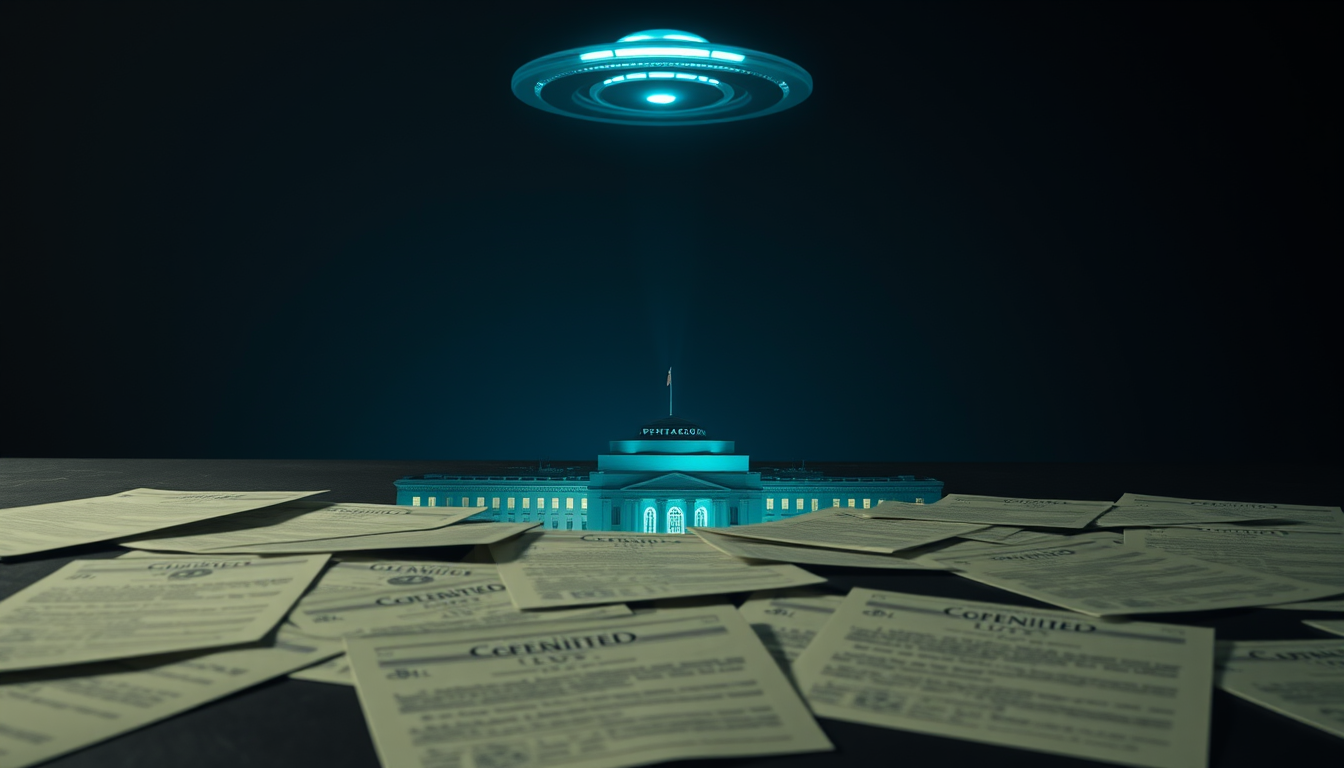
The Trump administration unveiled a dedicated Pentagon website for declassifying UFO records, releasing an initial tranche of approximately 160 files documenting over 400 incidents spanning 1940s Cold War sightings through recent military encounters while explicitly stating the materials contain no definitive answers about what the objects are.
The platform, branded PURSUE and hosted at war.gov/ufo, follows Trump's February 2026 directive to declassify UAP files, delivering on a posture toward supporters who view UAP secrecy as emblematic of broader government opacity. But the Pentagon's rollout language frames the release narrowly: the files reflect "subjective interpretation" of events, many incidents have never been formally analyzed for resolution, and the department is not claiming the materials answer whether observed phenomena are extraterrestrial, advanced technology, or prosaic.
"These files, hidden behind classifications, have long fueled justified speculation — and it's time the American people see it for themselves," Defense Secretary Pete Hegseth said in a statement accompanying the launch.
The files include Armed Forces Special Weapons Program reports from 1948, Apollo mission transcripts referencing unexplained observations, and post-2017 incident documentation from Navy pilots — the cases that prompted Congress to mandate formal UAP investigation in recent years. NASA Administrator Jared Isaacman praised the disclosure effort as reflecting the agency's commitment to transparency and following the data.
But the Pentagon's accompanying disclaimer undercuts any expectation of revelation. Materials are released "as-is," officials said, meaning no new analysis accompanies decades-old sighting reports. Incidents that were unresolved when filed remain unresolved now. The release is an archive drop, not an investigation summary.
A second tranche of 64 files followed on May 22. Rep. Tim Burchett, R-Tenn., a longtime advocate for UAP transparency, posted "Holy Crap" on social media but told reporters the releases are "a drop in the bucket" compared to what he believes remains classified. His framing suggests the rollout serves as much to sustain attention across future releases as to deliver substantive new information in these batches.
The PURSUE branding itself is unusually public-facing for a Defense Department declassification project. Most FOIA releases and records programs carry bureaucratic titles; this one reads like a consumer product launch, signaling the administration views the initiative as political communication as much as transparency policy. The choice of war.gov — a Defense Department domain — reinforces accessibility as a design goal.
What remains uncertain is what subsequent releases will contain. The Pentagon has committed to a rolling declassification process continuing in coming weeks and months. That timeline suggests agencies are vetting materials for classification equities and ongoing investigative concerns, but it also means the story regenerates across multiple news cycles, each release an opportunity to reaffirm the administration's transparency posture whether or not the content is dramatic.
The deeper tension is between the performance of disclosure and the substance of it. The government is releasing what it has observed but not what it has concluded, because in many cases it states plainly it has not concluded anything. More than eight decades of documented aerial phenomena, now public, with no authoritative resolution. That could mean the phenomena defy explanation. It could mean they were never prioritized for rigorous investigation. It could mean the answers exist in files not yet released.
What the first PURSUE drops establish is that the Trump administration has formalized a mechanism for this question to be asked repeatedly, in public, with official materials as the text. Whether that mechanism ever yields answers or only sustains the asking is the question subsequent releases will answer.